Book Planning Guide
How to Plan a Book Before You Start Writing
Skipping the planning stage is the single most common reason first-time authors don't finish their book. This guide shows you exactly what to plan, in what order, and why each decision matters before you write chapter one.
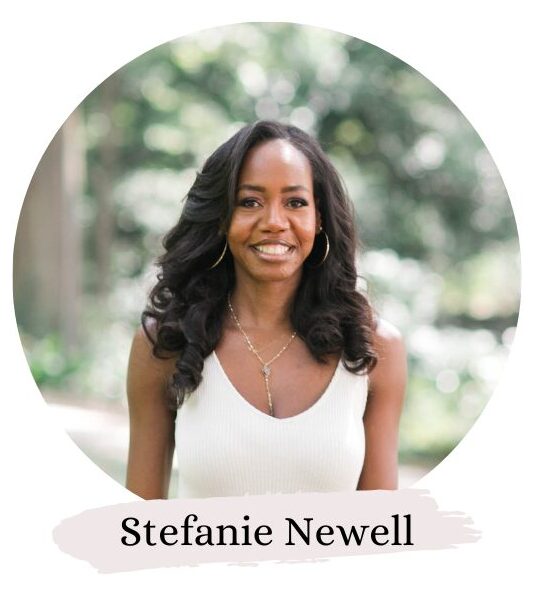
Stefanie Newell
Writing Coach & Developmental Editor — Writing coach since 2008
Why planning your book matters more than starting it
There's a version of writing advice that says just start — open a document and go. And for some writers, that works. But for most first-time nonfiction authors, starting without a plan leads to one of two outcomes: they stop writing somewhere in the middle, or they finish a draft that doesn't hold together.
Planning isn't the opposite of writing. It's what makes the writing possible. When you know where you're going, the blank page is less intimidating — you're not figuring out the book and writing it at the same time.
In nearly two decades of coaching first-time authors, the ones who finish their books — and finish them well — are almost always the ones who took the time to plan first. Not outline every chapter down to the sentence, but answer the foundational questions before picking up a pen.
The six things every nonfiction book plan needs
1
Your genre
Genre shapes everything — structure, tone, reader expectations, and how your book is positioned in the market. Before you plan anything else, name your genre. Memoir, self-help, business, health, parenting, religion, finance — each has its own conventions and its own reader.
2
Your reader
Who is the specific person you're writing for? Not a demographic — a person. What are they struggling with? What are they hoping your book will do for them? What do they need to believe before they'll trust you? The clearer your reader, the easier every writing decision becomes.
3
Your central idea
Every nonfiction book that works is built around one clear idea — not a topic, an idea. A topic is "leadership." An idea is "the best leaders ask more questions than they answer." Your central idea is the spine of the book. Every chapter should connect back to it.
4
Your themes
Themes are the deeper ideas beneath your central idea — the threads that run through the book and give it texture. A memoir about recovery might explore themes of identity, forgiveness, and belonging. A business book might explore themes of trust, failure, and reinvention. Knowing your themes helps you choose which stories and examples belong in the book.
5
Your structure
Structure is how you organize your content so your reader can follow it. Chronological narrative, thematic chapters, step-by-step program, case studies — there are many options and the right one depends on your genre and your content. Choose your structure before you start writing so you know which material belongs where.
6
Your publishing path
Whether you're planning to self-publish or pursue traditional publishing affects how you write your book — your word count targets, how you position your authority, and what you include. Make this decision early so your book is built for the path you're taking.
How long should it take to plan your book?
A thorough book plan doesn't take months. It takes focused attention. Most authors can work through the foundational planning questions in a few hours — if they're asking the right questions in the right order.
The challenge is knowing what to ask. Most first-time authors don't know what they don't know, so they either skip planning entirely or spend weeks on the wrong things — like choosing a title before they've defined their reader, or picking a cover design before they've settled on a genre.
A good book plan answers six questions: who is this book for, what is it about, why does it matter, how is it structured, how long will it be, and how will it be published. Everything else comes after.
A common planning mistake to avoid
The most common planning mistake first-time nonfiction authors make is planning the book they want to write instead of the book their reader needs. These aren't always the same thing.
Your book is a conversation with your reader, not a monologue. The planning process should keep returning you to one question: what does my reader need from this book? When that question drives every planning decision, the book that emerges is one that genuinely helps people — and genuinely sells.
Stefanie Newell
Writing Coach & Developmental Editor
Stefanie Newell has been coaching first-time nonfiction authors since 2008. She has helped authors across 18 nonfiction genres go from idea to finished, published book. Her YouTube channel, The Life of a Writer, has over 6 million views.
Work with Stefanie →
Build your book plan in about 5 minutes — free.
The Write One is a free guided tool that walks you through every planning decision and builds your personalized nonfiction book blueprint. No sign up required.
Start Planning My Book →
Free · about 5 minutes · No account needed